Cabernet Sauvignon vs. Carignan at Beit-El Winery
In this article
- Two Grapes, One Hillside: Why Beit-El Winery Grows Both
- Origins and Temperament: A Bordeaux Standard Meets a Mediterranean Survivor
- How Terra Rossa and Altitude Shape Each Variety Differently
- Tannin, Color, and Body: Tasting the Difference Glass to Glass
- Aging Potential: Which Wine Rewards the Cellar, and Which Rewards Now
- Single-Vineyard Bottlings: Why the Same Grape Tastes Different Plot to Plot
- From Jacob's Dream to Majestic: Where Each Grape Finds Its Series
- Meeting Beit-El Winery's Wines Beyond Israel
Plant two vines a few rows apart on the same hillside, give them the same sun and the same hands at harvest, and they can still produce wines that taste like they came from opposite ends of the world. That is the story told every vintage on the slopes where Beit-El Winery grows its grapes: Cabernet Sauvignon, structured and internationally familiar, standing beside Carignan, a grape with deep Mediterranean roots and a very different personality in the glass. Understanding what separates them, and what the land does to each one, explains why the Manne family built an entire winery around single-vineyard bottlings rather than one signature blend.
Two Grapes, One Hillside: Why Beit-El Winery Grows Both
Cabernet Sauvignon and Carignan sit at opposite ends of the reputational spectrum, yet both have earned a permanent place in the vineyards surrounding Beit-El Winery. Cabernet Sauvignon is the grape most buyers already know, the backbone of countless prestige wines worldwide, prized for structure and longevity. The grape clusters are small and dark blue, with thick skins contributing to their high tannin content, and it is grown in nearly every major wine-producing region worldwide. Carignan tells a different story: it is a late-ripening, hardy, high-yielding, black grape that grows well in warm climates, and in Israel it carries genuine historical weight rather than borrowed prestige.
That history matters to how the Manne family farms it. While today most of the world's Carignan is grown in France, in Israel this variety has been dominant for more than a century. Growing both grapes side by side lets the winery offer two honest expressions of the same hillside: one grape that speaks an international language buyers already trust, and one that speaks specifically to the place, the soil, and the biblical story tied to the land itself.
Origins and Temperament: A Bordeaux Standard Meets a Mediterranean Survivor
Cabernet Sauvignon ripens with relative predictability and rewards patient, careful vineyard management, which suits the meticulous approach Hillel Manne, the winery's agronomist, brings to each plot. Carignan asks for something else entirely. Particularly resistant to wind and extreme drought, Carignan is nicknamed hardwood by many winegrowers, a temperament that fits the exposed, high-altitude terraces where some vines at Beit-El Winery receive no irrigation at all.
That toughness is exactly why old Carignan vines are treated with such respect rather than replaced. Careful winemaking with old vines and low yields reveals a far more compelling side of the grape than its reputation as a bulk producer would suggest. On unirrigated plots, the vine's natural resilience becomes an advantage: it survives stress that would stunt a less hardy variety, and the resulting fruit is small, concentrated, and intensely flavored rather than diluted.
How Terra Rossa and Altitude Shape Each Variety Differently
The vineyards behind Beit-El Winery sit roughly 850 meters above sea level on terra rossa soil, an iron-rich red clay common across Israel's higher wine regions. Soils in Israel's premium growing areas commonly include calcareous clay, terra rossa, limestone, and chalk. Cabernet Sauvignon on terra rossa tends to hold onto firm acidity and dense color even in a warm climate, because the elevation moderates daytime heat and preserves the grape's natural structure through a longer, cooler ripening window.
Carignan responds to the same soil in a different way. Its natural vigor needs restraining, and thin, well-drained terra rossa combined with reduced or absent irrigation does exactly that: it forces the vine to work harder for a smaller, more concentrated crop. The airy, healthy canopy management practiced on Beit-El Winery's plots reduces disease pressure on both varieties, but it is Carignan that benefits most dramatically, since the grape's thicker cluster structure can otherwise trap humidity.
Tannin, Color, and Body: Tasting the Difference Glass to Glass
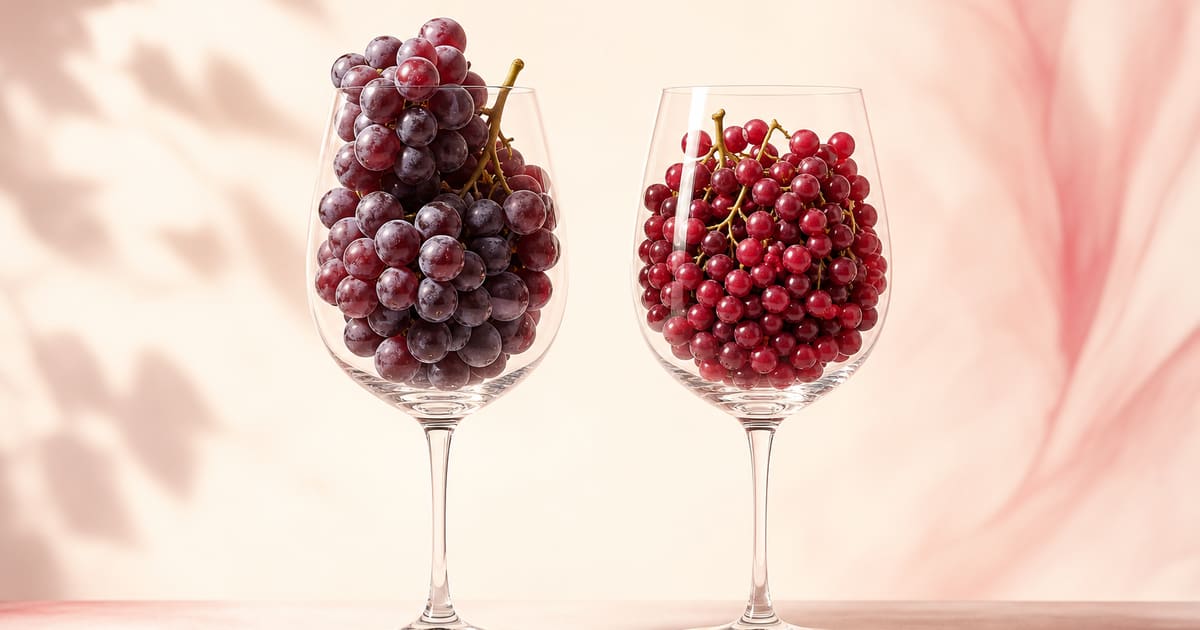
Poured side by side, the two wines rarely get mistaken for one another. Cabernet Sauvignon typically shows a deep, almost opaque core with firm tannin and flavors that lean toward dark currant and cherry, often with herbal or cedar notes emerging as the wine develops. Common flavors include blackcurrant, black cherry, mint, and eucalyptus. Carignan from old, low-yield vines shows a different tannic signature: on old vines the tannin is fine, while on young vines it remains noticeably more bitter, which is part of why the Manne family prioritizes mature plots for its varietal bottlings rather than young replanted vines.
Scientific comparisons back up what tasters notice by instinct. Laboratory analysis comparing Bordeaux grapes to Mediterranean varieties including Carignan has demonstrated measurable differences in tannin composition between the groups. In practical terms, this is why Cabernet Sauvignon from Beit-El Winery tends to feel more angular and structured in youth, while Carignan from the same vintage often shows a rounder, more immediately generous texture, even though both wines share the winery's signature full body and deep red color.
Want to hear more about The Manne Family's services?
Contact usAging Potential: Which Wine Rewards the Cellar, and Which Rewards Now
Both grapes at Beit-El Winery are made to be enjoyable on release, but they age on different timelines. Cabernet Sauvignon's naturally higher tannin and firmer acidity give it a long runway; the wine can hold its structure for many years, gradually trading primary fruit for leather, tobacco, and softened texture. Carignan built from old, low-yield vines also has real staying power, but its evolution tends to move faster, shifting from bright, fruit-forward drinking into a more savory, spice-driven profile within a shorter window.
This difference shapes how the winery advises collectors. A bottle from the Cabernet-driven Majestic series is often set aside deliberately for a future occasion, while wines built around Carignan reward those willing to open them a little sooner to catch the fruit at its most expressive. Neither approach is better; they simply serve different kinds of patience.
Single-Vineyard Bottlings: Why the Same Grape Tastes Different Plot to Plot
Most releases from Beit-El Winery are single-vineyard wines rather than blends across multiple plots, and this is where the Cabernet-versus-Carignan comparison gets genuinely interesting. A Cabernet Sauvignon from one unirrigated, sun-exposed terrace can show markedly more concentration and darker fruit than the same variety grown a short distance away on a plot with slightly more shade or moisture. The same is true, often more dramatically, for Carignan, since its yield and vigor swing more widely with small changes in soil depth and water access.
This is also why collectors have started asking for wine from a specific vineyard by name rather than simply requesting a variety. Shalom-David Manne's background in chemistry supports this plot-by-plot approach: analyzing how tannin and acidity develop differently across terraces allows the winery to decide, vintage by vintage, which plots are ready to be bottled on their own and which will contribute better to a broader blend.
- Cabernet Sauvignon from higher, more exposed terraces tends to show firmer tannin and darker fruit concentration.
- Carignan from unirrigated, low-yield plots produces smaller berries and a more intense flavor profile than irrigated vines of the same age.
- Old-vine Carignan generally shows finer, more integrated tannin than young Carignan planted on the same soil.
- Wines built for near-term drinking are typically released earlier than those intended for extended cellaring.
- Plot-specific bottlings allow buyers to follow a single vineyard's character across multiple vintages.
From Jacob's Dream to Majestic: Where Each Grape Finds Its Series
The five series produced by the Manne family, Jacob's Dream, Tal Binyamin, Revelation, 5757 Old Vines, and Majestic, each draw on the winery's seven cultivated varieties in different proportions, with Cabernet Sauvignon and Carignan playing the leading roles across most of them. The name 5757 Old Vines points directly at the Carignan philosophy: fruit from mature, established vines is treated as a distinct category rather than folded into younger material, honoring the years the vine spent adapting to its exact patch of ground.
The vineyards themselves sit on ground with deep significance well beyond viticulture, the site tradition holds to be where the patriarch Jacob experienced the dream described in the Torah. That layered history, biblical, agricultural, and personal to the Manne family, gives context to why the winery treats each grape as an individual story rather than a generic ingredient in a house blend.
Meeting Beit-El Winery's Wines Beyond Israel
Interest in these two varieties extends well past Israel's borders. Buyers and importers across markets including New York, Mumbai, Hong Kong, Tokyo, and Seoul have shown particular curiosity about how a single vineyard can produce such distinct results from Cabernet Sauvignon and Carignan grown only meters apart. For importers based in Mumbai and Nashik, Seoul, Tokyo, Thailand, and Singapore planning to attend wine trade events in Hong Kong this coming November, tasting these two varieties side by side offers a concise, memorable introduction to what makes single-vineyard winemaking from Samaria distinctive: not a generic red blend, but two grapes with opposite temperaments, farmed on the same soil, bottled to tell two different stories.
For hospitality buyers and private collectors alike, the practical takeaway is straightforward: a Cabernet Sauvignon bottling from Beit-El Winery suits a wine list or cellar built around long-term structure and familiarity, while a Carignan bottling, especially one from old, low-yield vines, offers something more distinctive to pour for guests who already know Cabernet well and are looking for a variety with genuine regional character.
FAQ
What is the main difference between Cabernet Sauvignon and Carignan?
Cabernet Sauvignon typically has firmer tannin, higher acidity, and a longer aging curve, with flavors leaning toward blackcurrant and cedar. Carignan, especially from old vines, tends to show rounder tannin and more immediate fruit expression, with a faster evolution in the bottle.
Does old-vine Carignan age well?
Yes, when the fruit comes from mature, low-yield vines. Younger Carignan vines produce more bitter tannin, while older vines develop finer, more integrated tannin structure that supports moderate aging, though generally on a shorter timeline than Cabernet Sauvignon.
Why does Beit-El Winery release most of its wines as single-vineyard bottlings?
Because growing conditions vary noticeably from plot to plot, even within the same variety, single-vineyard bottling allows each terrace's distinct character, from tannin structure to concentration, to be expressed on its own rather than averaged out in a broader blend.
Which grape varieties does Beit-El Winery grow besides Cabernet Sauvignon and Carignan?
The winery cultivates seven varieties in total, including Merlot, Marselan, Malbec, Petit Verdot, and Cabernet Franc, alongside Cabernet Sauvignon and Carignan, across vineyards planted at high elevation on terra rossa soil.
The Manne Family is here for you — get in touch.
Contact usWant to share this article?Tap to see a ready-made Facebook post
Plant two vines a few rows apart on the same hillside, give them the same sun and the same hands at harvest, and they can still produce wines that taste like they came from opposite ends of the world. What is the main difference between Cabernet Sauvignon and Carignan?
https://beitelwinery.bizagent.me/a/cabernet-sauvignon-vs-carignan-comparison