Boutique Wine Pricing: What You're Actually Paying For

In this article
- The Real Cost Ledger: What Sits Behind Every Bottle
- Yield vs. Volume: Why Fewer Grapes Can Mean More Flavor
- Single-Vineyard Bottling: Paying for Place, Not Just for Wine
- Five Series, Five Price Points: How the Value Ladder Is Structured
- What a Lower Price Usually Means
- Checklist: How to Tell If a Boutique Price Is Actually Justified
- Aging Potential and Long-Term Value
- A Global Table: Where These Wines Travel
Two bottles of red wine can sit on the same shelf, made from the same grape variety, and differ enormously in price. Both are, technically, red wine. Neither label explains the gap. The difference almost never comes down to a fancier bottle or a clever marketing budget, it comes down to decisions made years earlier, in the vineyard, long before a single grape was picked. At Beit-El Winery, where the Manne family has built five distinct series around single-vineyard fruit, that gap is the entire story worth telling.
The Real Cost Ledger: What Sits Behind Every Bottle
A wine's price reflects a chain of decisions, not a single markup. Land at elevation costs more to farm than flat, easily irrigated plots. Vines that are pruned aggressively to limit fruit load require more hours of hand labor per vine, not less. Barrels, if new oak is used, are a recurring expense rather than a one-time cost. None of this is unique to any single winery, it is simply the arithmetic of quality-focused viticulture, and it applies whether the vineyard sits in Napa, Bordeaux, or the hills where Beit-El Winery grows its fruit.
Behind the winery, the work is distributed across a small team with distinct disciplines: Hillel, an agronomist, manages the vines through the growing season; Shalom-David, a chemist, oversees fermentation and blending decisions; Israel brings an economics background to how the wines are structured and released; and Nina, the mother of the family, anchors the operation. That range of expertise is itself a cost, decisions get made by people trained to ask different questions about the same grape, rather than by a single generalist trying to cover every discipline at once.
Yield vs. Volume: Why Fewer Grapes Can Mean More Flavor
The most consistent driver of price in serious wine is yield. A vine forced to produce a large volume of fruit spreads its energy thin, diluting flavor and color. A vine limited to a small crop concentrates everything it has into fewer clusters. This is not theory; it is basic plant physiology, and it is why low-yield fruit almost always costs more to farm per bottle than high-yield fruit, regardless of region.
The vineyards at Beit-El Winery sit at roughly 850 meters above sea level on terra rossa soil, with some plots farmed entirely without irrigation. Unirrigated vines are forced to root deep in search of water, which naturally caps their yield and pushes fruit concentration higher. The tradeoff is direct: less wine per plot, but a more intense, expressive character in every glass that comes from it. Seven grape varieties are grown across these plots, each responding differently to the altitude and soil.
Single-Vineyard Bottling: Paying for Place, Not Just for Wine
Most large-scale wines are blends, combining fruit from multiple vineyards to smooth out inconsistencies and hit a target style year after year. Blending is a legitimate craft, but it also means no single vineyard's personality survives intact in the final bottle. A single-vineyard wine takes the opposite approach: every bottle comes from one defined plot, with its own soil, slope, and airflow, and nothing to mask or correct its character.
Most of what leaves Beit-El Winery is bottled this way. Because true quality shows up plot by plot in the vineyard, the winery releases wines by individual site rather than blending everything into a single uniform product. Some collectors specifically wait for the release from one particular vineyard, year after year, because they have learned that plot's signature and want to track how it evolves across vintages. That kind of loyalty does not attach itself to a generic blend, it attaches to a specific piece of land.
Five Series, Five Price Points: How the Value Ladder Is Structured
Not every bottle from the same winery needs to carry the same price, and pretending otherwise usually signals lazy pricing rather than honest tiering. Beit-El Winery organizes its output into five series, Jacob's Dream, Tal Binyamin, Revelation, 5757 Old Vines, and Majestic, each tied to different vineyard conditions, vine age, and aging trajectory. A wine from older, lower-yielding vines earns a different price than one from younger plantings, and that difference is traceable back to the vineyard rather than invented at the label-design stage.
This structure matters for buyers deciding where to start. A first bottle from a newer series can serve as an accessible entry point into the house style, while a bottle from an older-vine plot rewards patience and a willingness to pay for scarcity of a different kind, vine age that cannot be manufactured or sped up. Judging the value of any series in isolation, without understanding which vineyard and vine age it represents, misses the point of why the tiers exist at all.
Want to hear more about The Manne Family's services?
Contact usWhat a Lower Price Usually Means
It helps to understand what mass-market pricing typically buys, since the contrast explains the boutique premium better than any abstract argument. High-yield vineyards are farmed for volume, not concentration, which keeps the raw material cost low from the start. Fermentation and aging schedules are compressed to move product through the supply chain faster, and a wide range of legally permitted additives can correct color, acidity, or mouthfeel without ever appearing on the label.
None of this makes mass-market wine bad, it simply serves a different purpose, built around consistency and accessibility at scale. But it explains why comparing a mass-produced bottle to a limited-edition, single-vineyard wine on price alone is comparing two different products that happen to share a category. The gap in price mirrors a gap in what actually went into the glass.
Checklist: How to Tell If a Boutique Price Is Actually Justified
Not every wine marketed as "boutique" earns its price tag. A few practical questions separate genuine small-production craft from a label using the word as decoration:
- Does the label name a specific vineyard or plot, or only a broad regional appellation?
- Can the producer explain the growing conditions, elevation, soil type, irrigation practices, behind that particular bottle?
- Is the wine drinkable now while also showing real structure for cellaring, rather than needing years to soften harsh tannins?
- Does the aroma and flavor profile feel distinct from other bottles in the same price range, or generic and interchangeable?
- Is there a visible connection between the people farming the vineyard and the people making pricing decisions?
Aging Potential and Long-Term Value
A justified price often shows up not at the moment of purchase but years later. Wines built from concentrated, low-yield fruit tend to have a longer window of development, gaining complexity in the bottle rather than simply holding steady or declining. This is one reason collectors treat certain releases as worth setting aside rather than opening immediately.
The wines from Beit-El Winery are built with this dual purpose in mind: enjoyable from the moment of release, yet structured enough to reward patience over the following years. That balance is harder to engineer than it sounds, a wine tannic enough to age well can be unpleasant young, while a wine soft enough to drink immediately often has nothing left to give a decade later. Achieving both at once is part of what the price is paying for.
A Global Table: Where These Wines Travel
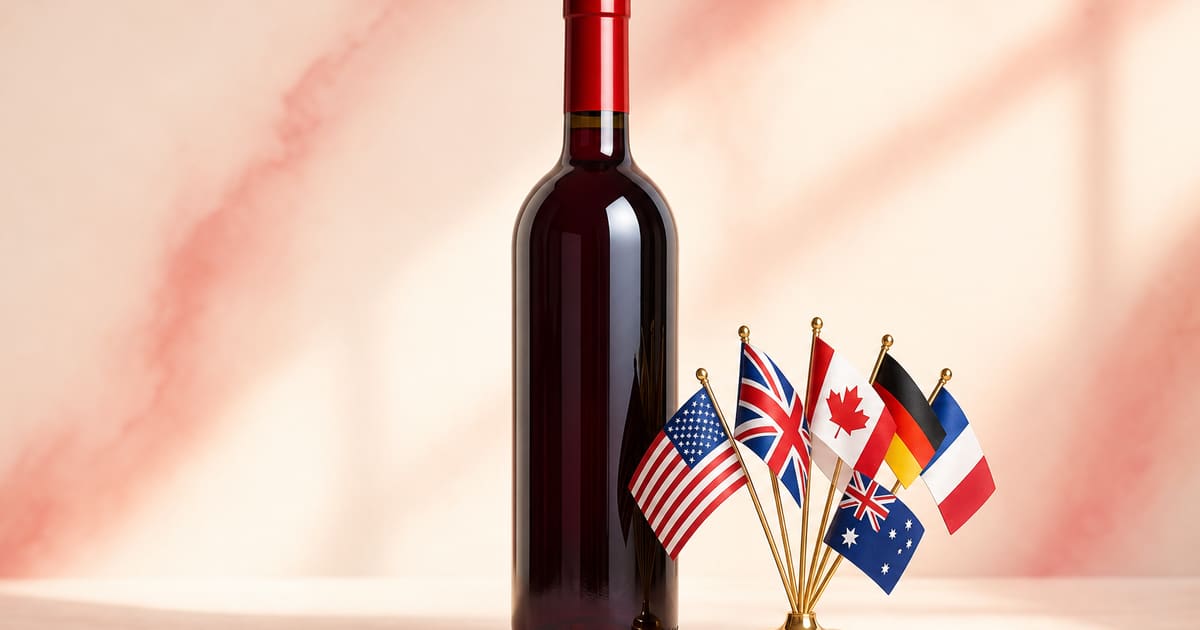
Demand for single-vineyard, limited-edition reds is not confined to one market. Buyers connected to Beit-El Winery span Israel, New York, Mumbai, Hong Kong, Tokyo, and Seoul, along with luxury hotels that pour these wines for guests who expect a story behind the glass, not just a label. That geographic spread reflects a broader shift: collectors and importers increasingly look past national wine-producing giants toward smaller regions capable of producing a genuinely distinctive bottle.
This November, the winery will be present at the wine fair in Hong Kong, a gathering point for trade buyers and importers from across Asia. Wine professionals and importers traveling from Mumbai and Nashik in India, from Seoul in South Korea, from Tokyo, from Thailand, and from Singapore are especially invited to taste the current releases and discuss the vineyard-by-vineyard approach directly with the team behind them. For importers evaluating new additions to a portfolio, tasting a wine alongside an explanation of the specific plot it came from tends to answer the pricing question far more convincingly than a spec sheet ever could.
FAQ
Why do boutique wines cost more than mass-produced wines?
Boutique wines typically come from lower-yield vineyards where vines are deliberately limited to concentrate flavor, which reduces the amount of wine produced per plot. Add hand labor, single-vineyard bottling rather than blending, and longer aging, and the cost per bottle rises well above what high-volume production requires.
Is a more expensive boutique wine always better?
Not automatically. Price should reflect traceable factors like vineyard yield, vine age, and single-site bottling rather than packaging or brand name alone. A genuinely justified price is one where the producer can explain exactly which growing conditions and decisions drove the cost.
What makes a single-vineyard wine different from a regular blend?
A single-vineyard wine is made entirely from grapes grown on one defined plot, preserving that site's specific character instead of smoothing it out through blending with other vineyards. This tends to produce a more distinctive, less interchangeable flavor profile from vintage to vintage.
How long can a quality boutique red wine be aged?
It depends on the vineyard and vintage, but wines built from low-yield, concentrated fruit generally have a longer aging window than mass-market wines. Many are made to be enjoyable on release while still developing further complexity over several years of proper cellaring.
The Manne Family is here for you — get in touch.
Contact usWant to share this article?Tap to see a ready-made Facebook post
Two bottles of red wine can sit on the same shelf, made from the same grape variety, and differ enormously in price. Both are, technically, red wine. Neither label explains the gap. Why do boutique wines cost more than mass-produced wines?
https://beitelwinery.bizagent.me/a/boutique-wine-pricing-justified