Kosher Wine in Hong Kong and Singapore: A Buyer's Guide
In this article
- Why Quality Kosher Red Wine Is Scarce on Fine-Dining Lists
- Two Free Ports, Two Different Tax Realities
- What Actually Distinguishes a Quality Kosher Red
- Serving Kosher Wine Without a Fully Kosher Kitchen
- Certification That Travels: What Importers Should Verify
- Matching Kosher Red Wine to the Occasion
- A Buyer's Checklist Before Adding a Kosher Label to the List
- Meeting the Wines in Person
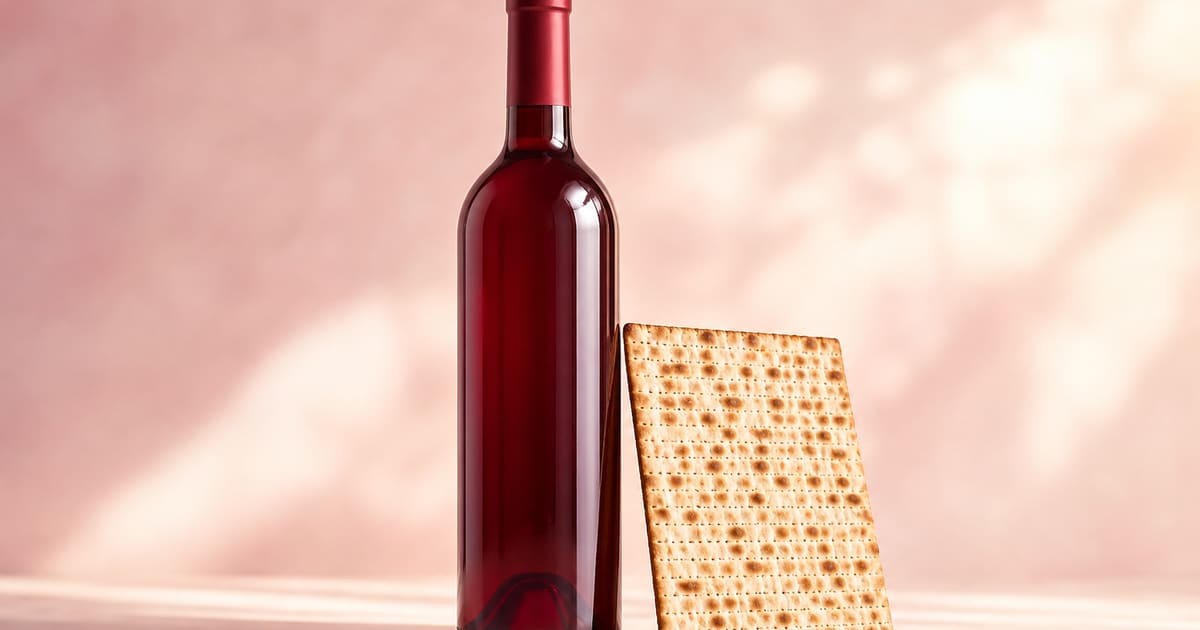
Ask a sommelier in Hong Kong or Singapore to recommend a serious kosher red for a private dinner, and the answer is often a shrug. Most wine lists in the two cities carry nothing under a kosher certification at all, and the handful of bottles that do appear are usually sweet, inexpensive, and built for ceremony rather than the table. For restaurants courting business travelers and for importers scouting new categories, that gap is also an opening: there is real demand for kosher mehadrin reds with the structure and aging potential of any serious boutique wine, and very little supply that meets it.
Why Quality Kosher Red Wine Is Scarce on Fine-Dining Lists
The scarcity is not about interest. Business and leisure travel from Israel, the United States and Europe into Asia has grown, and demand for kosher dining options in hotels and restaurants across the region has grown alongside it.
The mismatch is on the supply side. Wineries that produce wines carrying a kosher certification have historically optimized for the Israeli and North American markets, where volume and shelf turnover matter more than single-vineyard character. A hotel sommelier or restaurant buyer in Hong Kong searching for a kosher red with real tannic structure, aging potential, and a story worth telling at the table is working against a thin international pipeline, not a thin demand curve.
Two Free Ports, Two Different Tax Realities
Hong Kong and Singapore are often grouped together as Asia's two trading hubs, but they treat wine very differently at the border, and that difference changes how an importer should plan a kosher wine program in each market. Hong Kong eliminated its wine excise duty in 2008 and does not apply VAT or GST to goods at all, which has made the city the region's default re-export point for fine wine moving further into Mainland China and beyond.
Singapore runs the opposite system. The city is a free port for the overwhelming majority of its tariff lines, but alcohol is one of a small number of categories that remains dutiable, with an excise duty and an import-stage Goods and Services Tax both assessed before the wine reaches a bonded warehouse. Importers bringing kosher wine into Singapore should also confirm the required import permits and licensing with Singapore Customs before the first shipment arrives, since dutiable goods like wine fall under its regulatory oversight. In practice, this means a kosher label entering Hong Kong clears faster and at lower landed cost than the same label entering Singapore, a gap that matters when every additional cost line makes a boutique bottle harder to justify on a restaurant wine list.
What Actually Distinguishes a Quality Kosher Red
A kosher certification says nothing about the wine inside the bottle beyond confirming how it was made and handled. Quality comes from the same places it comes from in any boutique red: the vineyard, the vine age, the winemaking decisions, and the restraint to let a single plot speak for itself. Beit-El Winery farms seven grape varieties across vineyards sitting 850 meters above sea level on terra rossa soil, with some plots grown without irrigation to concentrate fruit character rather than dilute it.
Most of the winery's releases are single-vineyard bottlings rather than blends, organized across five series: Jacob's Dream, Tal Binyamin, Revelation, 5757 Old Vines and Majestic. For a restaurant or importer evaluating kosher reds for a serious list, that structure matters more than the certification stamp on the back label. A wine built to age, from a specific plot with distinct growing conditions, behaves like any collector-grade red because it was made like one.
Serving Kosher Wine Without a Fully Kosher Kitchen
A common misconception among hotel and restaurant operators in Hong Kong and Singapore is that offering kosher wine requires a certified kosher kitchen. It does not. A sealed, unopened bottle carrying a valid kosher certification can be stored and listed without triggering kitchen certification requirements, because the kosher status attaches to the production process, not the venue serving it. Whether it can then be opened and poured by any staff member depends on whether the wine is mevushal: a mevushal wine is processed specifically so it remains kosher even when handled or poured by someone who is not Jewish observant, while a non-mevushal wine from a collector-grade series is still fully kosher, it simply calls for more attention to who opens and pours it at the table.
Want to hear more about The Manne Family's services?
Contact usWhat does change operationally is storage discipline and staff knowledge. A dedicated, clearly labeled section of the cellar prevents accidental mix-ups, and front-of-house staff should be able to explain, in one sentence, which certifying body stands behind the bottle on the list. Guests who keep kosher are often more reassured by a confident, accurate answer than by an elaborate kosher program they did not come to the restaurant expecting.
Certification That Travels: What Importers Should Verify
Not every kosher certification carries equal weight with every community, and an importer bringing wine into Hong Kong or Singapore should confirm that the certifying agency on the label is one the local Jewish community, consulate network or resident rabbinical authority actually recognizes. A hechsher that is unfamiliar locally creates friction at the point of sale, even when the underlying certification is entirely legitimate elsewhere.
The certificate itself should also be checked per shipment rather than assumed from a prior order. Kosher certification is typically tied to a specific vintage and production run, not to the winery as a whole, so an importer reordering a series should request current documentation rather than relying on paperwork from an earlier container. Pairing that check with the country-specific import requirements already covered above, Singapore Customs licensing on one side, Hong Kong's duty-free but still licensed import process on the other, keeps a shipment from stalling at the exact moment a restaurant or hotel is waiting on it for a booked event.
Matching Kosher Red Wine to the Occasion
The clientele most likely to ask for a serious kosher red in Hong Kong or Singapore tends to arrive for business, not for a religious occasion specifically: visiting executives, luxury hotel guests on extended stays, and private collectors who happen to keep kosher but expect the same caliber of wine as anyone else at the table. A full-bodied, structured red holds up well against richer Cantonese roasted meats and the heavier grills common on Singapore steakhouse menus, which makes it a natural addition to an existing list rather than a separate, segregated category.
Restaurants serving this audience generally do better integrating one or two kosher reds directly into the main list, organized by style rather than by certification, than building a standalone kosher section that signals the wine is there only for a narrow purpose. A deep, expressive red from an old-vine or single-vineyard series reads, to most guests, as simply a good bottle that happens to also be kosher.
A Buyer's Checklist Before Adding a Kosher Label to the List
- Confirm the certifying agency is recognized by the local Jewish community or rabbinical authority in the destination market.
- Request vintage-specific certification documentation rather than relying on a previous shipment's paperwork.
- Clarify whether the wine is mevushal or not, and brief front-of-house staff accordingly.
- Check the country-specific import pathway: Singapore Customs licensing versus Hong Kong's duty-free import process.
- Taste the wine against its non-kosher peers in the same price and style category, not just against other kosher labels.
- Confirm storage space is clearly separated and labeled before the first case arrives.
Meeting the Wines in Person
The Manne family will present Beit-El Winery's series at Hong Kong Trade Development Council's wine and spirits fair this November, a natural meeting point for importers evaluating kosher additions to their portfolios from Mumbai and Nashik in India, from Seoul, from Tokyo, from Thailand and from Singapore. For a category this thin on quality supply, a tasting conversation in person tends to answer more questions in ten minutes than a spec sheet ever could.
FAQ
Is kosher wine always sweet?
No. Sweetness is a stylistic choice tied to older, mass-market kosher production, not a requirement of kosher certification. Boutique kosher reds from single-vineyard producers are made dry, full-bodied and structured in the same way as any serious non-kosher red.
Can a restaurant without a kosher kitchen serve kosher wine?
Yes. A sealed, certified kosher bottle can be stored and listed without the venue itself being kosher-certified, since the certification applies to how the wine was produced, not to the restaurant serving it. Whether it can be poured by any staff member once opened depends on whether the wine is mevushal; a non-mevushal wine calls for more care over who opens and pours it. Staff should still know which bottles on the list carry certification and from which agency.
Does Hong Kong or Singapore charge import duty on kosher wine?
Hong Kong does not apply excise duty, VAT or GST to wine imports, which has made it the region's default entry point for fine wine. Singapore treats wine as a dutiable good, applying both an excise duty and an import-stage Goods and Services Tax, with import licensing overseen by Singapore Customs.
What should an importer check before listing a new kosher wine?
Verify that the certifying agency is recognized locally, request current vintage-specific certification rather than relying on past paperwork, and confirm whether the wine is mevushal so staff can handle service correctly. These checks matter more for building a lasting kosher wine program than the certification label alone.
The Manne Family is here for you — get in touch.
Contact usHere's a ready-made Facebook post
Ask a sommelier in Hong Kong or Singapore to recommend a serious kosher red for a private dinner, and the answer is often a shrug. Most wine lists in the two cities carry nothing under a kosher certification at all, and the handful of bottles that do appear are usually sweet, inexpensive, and built for ceremony rather than the… Is kosher wine always sweet?
https://beitelwinery.bizagent.me/a/kosher-wine-hong-kong-singapore