שילוב יין אדום בית אל עם המטבח היפני בטוקיו
תוכן העניינים
- Why Tannin and Raw Fish Rarely Agree
- Where the Structure Pays Off: Grilled, Glazed, and Smoked
- Wagyu: The Exception That Proves the Rule
- Two Course Styles, Two Different Wine Decisions
- Sequencing the Meal So the Wine Arrives at the Right Moment
- Serving Temperature in a Warm Tokyo Dining Room
- What a Single-Vineyard Program Adds to the Pairing Conversation
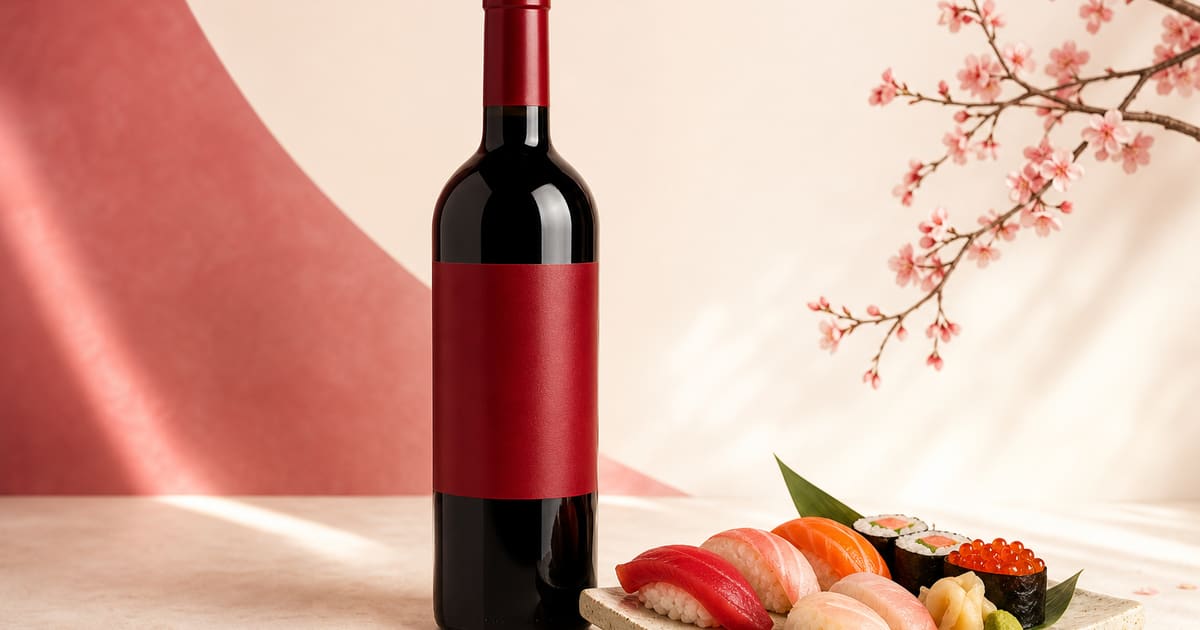
Beit-El's single-vineyard reds, built on deep tannin structure and concentrated fruit, find their clearest match in Japanese dishes that are grilled, glazed, or rich in fat, tare-brushed yakitori, unagi kabayaki, teriyaki, and wagyu, rather than in raw preparations such as sashimi or delicate nigiri. The reason is chemical rather than stylistic: tannin reacts with the fats and compounds in raw fish to leave a metallic aftertaste, while the caramelized sugar and marbled fat in grilled dishes soften that same tannin into something closer to silk. On a Tokyo wine list, the series matters less than the course it is poured with.
A common scenario on a tasting menu in Tokyo: the sommelier opens with a structured red alongside the sashimi course, expecting the wine's richness to impress early, and the pairing falls flat before the main course even arrives. The fix is rarely the wine itself. It is almost always the moment, and the dish, chosen to introduce it.
Why Tannin and Raw Fish Rarely Agree
The proteins in raw fish are delicate and subtle, and there is a genuine chemical reason certain wines clash with them, tannins, the drying compounds in red wine, interact with fish oils to create an off-taste that has nothing to do with personal preference, meeting the iron compounds and unsaturated fatty acids in fish to produce a lingering metallic or fishy aftertaste. This is not a question of elegance or price; it happens with any sufficiently tannic red, regardless of where the grapes were grown.
A handful of low-tannin, cool-climate reds can be served alongside fattier raw fish such as tuna without triggering that reaction, but that compromise belongs to a different style of wine. Beit-El's reds are built in a fuller-bodied, higher-tannin register, shaped by single-vineyard fruit grown for concentration rather than lightness, so the more useful question for a Tokyo table is not whether the wine can survive a raw course, but which course actually lets it perform.
Where the Structure Pays Off: Grilled, Glazed, and Smoked
Charcoal grilling imparts smokiness and caramelization, especially once a tare glaze is involved, which shifts the pairing toward wines with fruit richness and a touch of spice; salt-seasoned shio yakitori suits crisp whites, while tare-glazed skewers welcome a fuller red. The same logic extends across much of the grilled and sauced side of Japanese cooking.
Teriyaki steak, katsu served with sauce, tare-glazed yakitori, unagi, and dishes built on a reduced soy glaze are the category where a structured red genuinely works. The sweetness and char in these preparations give the wine's tannin something to grip onto other than raw protein, and the result reads as balance rather than conflict.
- Tare-glazed yakitori (chicken, beef, or pork skewers finished with a sweet soy glaze)
- Unagi kabayaki, the grilled eel served with a reduced soy-based sauce
- Teriyaki beef or chicken, where the caramelized glaze softens tannin
- Katsu dishes served with a thick, slightly sweet sauce rather than plain
- Sukiyaki, where beef simmered in sweet soy stands up to real structure
- Robata-grilled meats finished over charcoal rather than steamed or boiled
Wagyu: The Exception That Proves the Rule
Wagyu's extraordinary intramuscular fat is one of the rare cases in Japanese cuisine where a structured, aged-capable red performs brilliantly, because the fat softens tannin into a silky texture. Among red meat exceptions, wagyu's extremely soft fat rounds out the tannins in a way few other dishes allow.
This is precisely the territory where a full-bodied single-vineyard red earns its place at a Japanese table. The marbling does the work that a lighter wine cannot do on its own, and a wine with real concentration, the kind that comes from low-yield, unirrigated plots at altitude, has enough presence to stand next to the dish rather than disappear beside it.
רוצים לשמוע עוד על השירותים של The Manne Family?
Contact usTwo Course Styles, Two Different Wine Decisions
| Grilled & Glazed Course | Raw & Delicate Course | |
|---|---|---|
| Tannin interaction | Softened by fat and caramelized sugar | Clashes with fish oils, turns metallic |
| Recommended wine moment | Mid-to-late in the meal | Opening courses, before the red is poured |
| Example dishes | Tare yakitori, unagi, teriyaki, wagyu | Sashimi, nigiri, light sunomono |
| Serving note | Slightly cool, full glass, allow to open | Better suited to white, sparkling, or chilled light red |
Sequencing the Meal So the Wine Arrives at the Right Moment
A kaiseki-style sequence moves from delicate, often raw courses toward grilled, simmered, and richer dishes, which is also the natural order for bringing in a structured red. Opening with a sparkling or white wine through the raw courses and holding the red back for the grilled or glazed course that follows avoids the mismatch entirely, rather than trying to force one bottle to cover the whole meal.
Once the red is introduced with the grilled course, it can often continue through the richer dishes that follow, including a wagyu course if the menu includes one. A wine built with real tannin and acidity also tends to open gradually over the course of a long dinner, which is part of why collectors who know a particular Beit-El vineyard bottling often let it sit in the glass through two or three courses rather than pouring it fresh with each dish.
Serving Temperature in a Warm Tokyo Dining Room
Modern room temperature, often 21 to 23 degrees Celsius, is too warm for any structured red, with 16 to 18 degrees being closer to ideal. In a Tokyo dining room running warm, especially during the humid months, a full-bodied red poured straight from the shelf will taste heavier and more alcoholic than intended, which can exaggerate exactly the tannic edge that a grilled or glazed dish is meant to soften.
A short rest in a cooler before pouring, rather than relying on ambient room temperature, keeps the fruit and tannin in proportion through a long tasting menu. This matters more with a full-bodied, single-vineyard red than with a lighter wine, since the structure that makes it suited to wagyu or tare-glazed dishes is also what makes it less forgiving when served too warm.
What a Single-Vineyard Program Adds to the Pairing Conversation
Because most Beit-El bottlings come from a single plot rather than a blend, each one carries its own balance of tannin, fruit concentration, and body, shaped by that plot's specific growing conditions. That variation gives a sommelier building a Japanese menu real room to choose: a more restrained bottling for tare-glazed yakitori or teriyaki, and a more concentrated, structured one for a wagyu or sukiyaki course where the fat can carry more weight.
The vineyards themselves sit at altitude, on terra rossa soil, which is part of why the fruit arrives at the winery already concentrated rather than diluted. For a Tokyo dining room building a pairing menu around one or two bottles, that concentration is the practical reason a Beit-El red can hold its own next to a rich, glazed dish rather than being overwhelmed by it.
שאלות ותשובות
Does red wine work with sushi or sashimi?
Generally not well. Tannin in red wine reacts with the oils in raw fish and produces a metallic aftertaste, so white, sparkling, or very light chilled reds are the safer choice for raw courses.
What Japanese dishes pair best with a full-bodied red wine?
Grilled and glazed dishes work best: tare-glazed yakitori, unagi kabayaki, teriyaki, katsu with a thick sauce, sukiyaki, and especially wagyu, where the marbled fat softens the wine's tannin.
Should red wine be served chilled with Japanese food?
A full-bodied red should be served slightly cooler than typical room temperature, closer to 16-18°C, rather than fully chilled or left at a warm room temperature, which can make the tannin feel heavier than intended.
Can an aged red wine pair with more delicate Japanese dishes?
With enough bottle age, tannins soften and the wine gains a silkier texture, which can make a mature red more flexible with subtler dishes than a young, firmly tannic bottling would be.
The Manne Family כאן בשבילכם, מוזמנים ליצור קשר.
Contact usרוצים לשתף את המאמר?לחצו כאן להצגת פוסט מוכן לפייסבוק
Beit-El's single-vineyard reds, built on deep tannin structure and concentrated fruit, find their clearest match in Japanese dishes that are grilled, glazed, or rich in fat, tare-brushed yakitori, unagi kabayaki, teriyaki, and wagyu, rather than in raw preparations such as sashimi or delicate nigiri. Does red wine work with sushi or sashimi?
https://beitelwinery.bizagent.me/a/beit-el-red-wine-japanese-cuisine